
One month on from deadly Israeli air strikes on a notorious Iranian prison during the war between the two countries, inmates say they are being kept under unbearable and inhumane conditions after being moved to other prisons.
Despite promises by the authorities, some of those transferred from Evin Prison in Tehran say they continue to face difficulties such as overcrowded cells, lack of beds and air conditioning, limited number of toilets and showers, and insect infestations.
Israel targeted Evin on 23 June. According to the Iranian authorities, the attack killed 80 people, including five prisoners, 41 prison staff and 13 military conscripts.
The prison held thousands of men and women, including prominent political dissidents, human rights defenders, journalists and dual and foreign nationals, as well as members of religious and ethnic minorities.
All inmates were subsequently moved out and sent to other prisons following the attack.
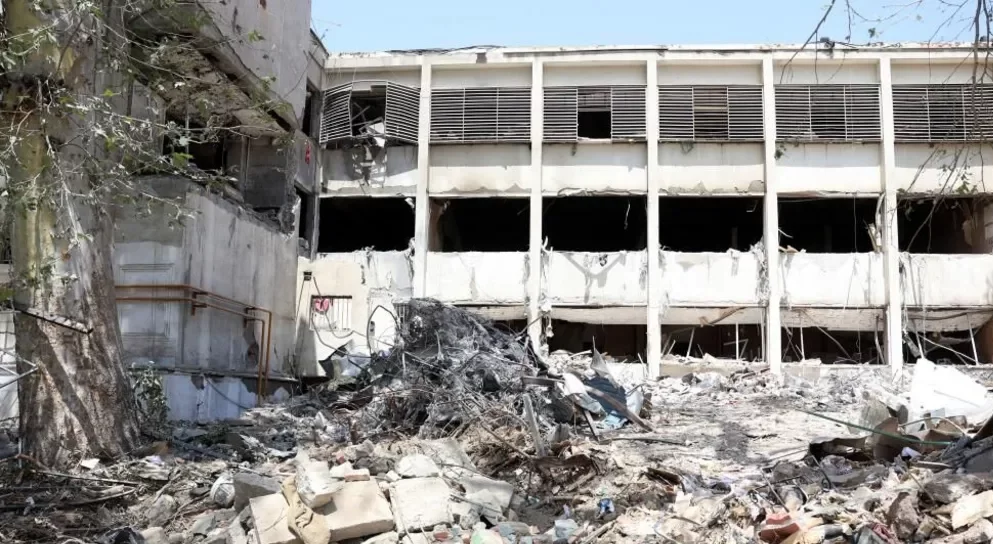
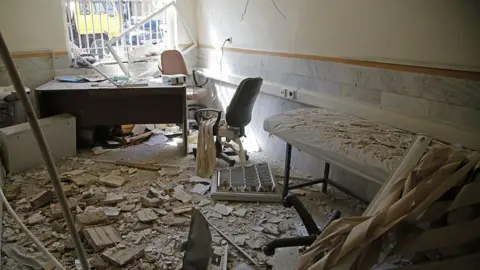
Verified videos and satellite imagery confirm damage to several buildings within the complex, including the medical clinic, the visitor centre, the prosecutor’s office and an administrative building.
After the attack, the Israeli military described the prison as “a symbol of oppression for the Iranian people”. It said it carried out the strikes in a “precise manner to mitigate harm to civilians” imprisoned there.
Iran has labelled the attack a “war crime”.
Israel’s military also said that Evin was used for “intelligence operations against Israel, including counter-espionage”. It did not comment further when asked to provide evidence for the claim.
Amnesty International said on Tuesday that, following an in-depth investigation, the attack constituted “a serious violation of international humanitarian law and must be criminally investigated as war crimes”.
“Under international humanitarian law, a prison or place of detention is presumed a civilian object and there is no credible evidence in this case that Evin prison constituted a lawful military objective,” it added.